Early Pregnancy, Week 1: What to Expect
If provided, this date will be used as the primary calculation method.
Medical review: Content reviewed for accuracy based on current medical guidelinesDisclaimer: This article is for educational purposes only and is not medical advice. Always consult your healthcare provider for personalized guidance.
Why You're Not Actually Pregnant Yet
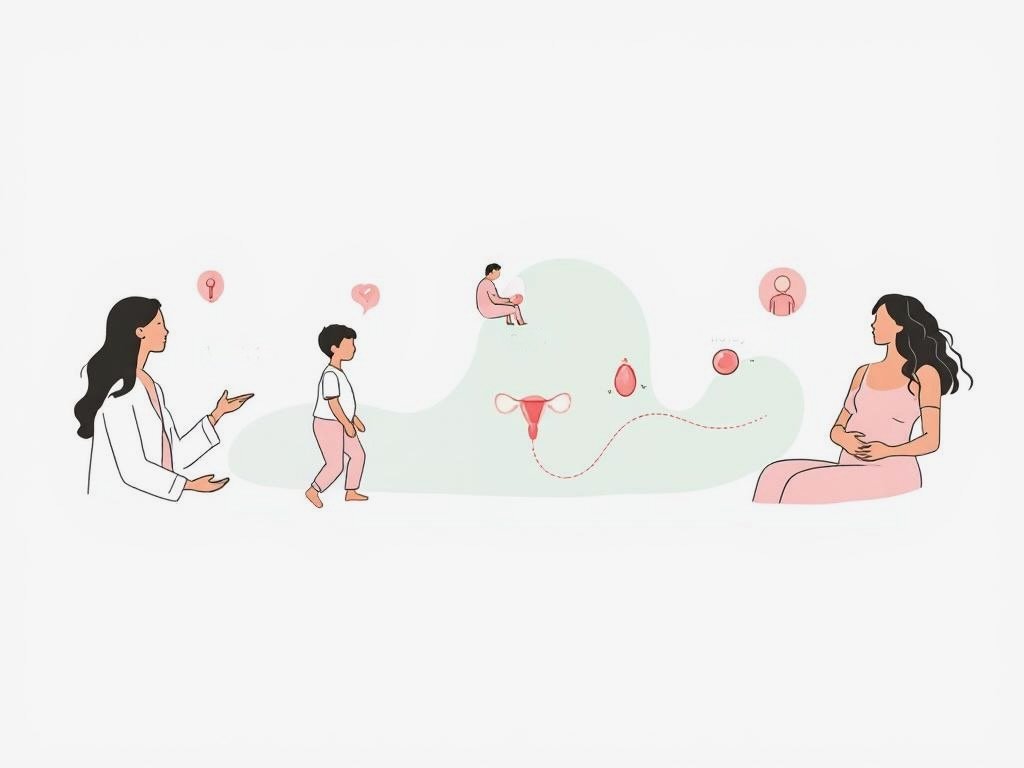
Right then, let's get one thing absolutely straight from the outset, because this is the single greatest source of confusion I encounter. At week one of pregnancy, you are not, in the biological sense, actually pregnant. I know. It sounds utterly daft. One might even call it a bit of a palaver. But this is simply the convention by which we date things in obstetrics, and it's been this way since the 19th century.
The first day of your last menstrual period—that's week one. Your body is busy shedding the previous uterine lining and quietly orchestrating the complex endocrinology required to rev up for a new cycle. No baby has been conceived. The theme? Preparation. Think of it as your reproductive system resetting the stage, checking the lights, and tuning the orchestra.
There's no performance yet. So if you're staring at a pregnancy test this week, do save your money. It'll be resolutely negative, and that's not merely normal—it's the only possible outcome.
Why Do We Start Counting Before You're Pregnant?
This is the bit that flummoxes almost everyone, so let me explain it as I might to a bright, non-medical friend over a rather mediocre cup of coffee. Pregnancy is dated from the first day of your last menstrual period (LMP), not from the night you had sex, and certainly not from the moment of fertilisation.
Why do we do this? Because the LMP is an observable, objective event—you generally know, give or take a day, when your period started. The precise moment a sperm meets an egg? That's entirely occult. You'd have no earthly clue unless you were undergoing rather intense assisted reproduction.
Clinicians rely on a standard bit of arithmetic called Naegele's Rule. It was developed by a rather clever German obstetrician, Franz Naegele, in the 1800s. It assumes a perfectly regular 28 day cycle with ovulation on day 14, then adds 280 days (or 40 weeks) to give you an estimated due date. It's a bit of a blunt instrument, I'll grant you, but it's a useful starting point for the calendar.
From a purely biological standpoint, the first two weeks of "pregnancy" are actually pre conception. Ovulation happens near the tail end of week two. Fertilisation occurs in week three. Only then do we have a zygote, the single-celled progenitor of a human being.
So please, do not panic if you test now and see one line. You're not supposed to be pregnant yet. Understanding this timeline saves you from a tremendous amount of unnecessary anxiety—and a small fortune in wasted pregnancy tests.
Your Baby's Development (Or Lack Thereof)
Clinically speaking, at week one there is no baby. There's no embryo, no foetus—nothing to measure or visualise on a scan. The dating convention I've just described means we're counting from your last period. If you do conceive this cycle, your future baby will begin its existence as a single cell called a zygote. That cell is absolutely minute: approximately 0.1 to 0.15 millimetres in diameter. For a more vivid comparison, think of a poppy seed or the full stop at the end of this sentence. That's the scale of your potential baby at the moment of fertilisation.
But this week, the real histology is happening inside your ovaries. A process known as folliculogenesis is quietly underway. A specialised sac—an ovarian follicle—is nurturing a single oocyte (the egg). Over the coming days, that follicle will distend with fluid, produce rising titres of oestrogen, and eventually—around week two or three—rupture to release the egg during ovulation.
That egg will then make make its way down the fallopian tube. If a sperm is waiting patiently (or arrives shortly after), fertilisation occurs. The resulting cluster of totipotent cells, now termed a blastocyst, will continue its journey toward the endometrial cavity and burrow into the lining about six to twelve days post-ovulation.
Here's a rather mind boggling fact that I find endlessly fascinating: the oocyte that might become your child started developing when you were still a foetus in utero, inside your own mother's womb.
At birth, a female typically has a reserve of one to two million primordial follicles. By puberty, apoptosis has whittled that down to about 300,000. Each month, a cohort of follicles begins to grow, but typically only one achieves dominance and reaches full maturity.
The rest undergo atresia—a sort of programmed cellular obsolescence. This week, one of those follicles is being selected as the dominant one. It will produce more and more oestrogen, which not only thickens the endometrium but also triggers a surge in luteinising hormone (LH) from the anterior pituitary.
That LH surge is the final trigger for ovulation. So while there's no baby to see or feel, the entire cellular blueprint—the meiotic machinery and mitochondrial inheritance—is already being laid down. It's rather extraordinary when you stop to think about it.
Your Changing Body
What you're likely experiencing this week is, quite simply, the menstrual phase of your cycle. The endometrium—which thickened last cycle in hopeful anticipation of an embryo—is now being shed as it's no longer required. That's your period. The hormonal drivers here are a precipitous drop in both oestrogen and progesterone following the demise of the corpus luteum from the previous cycle.
Those same hormonal nadirs cause physical sensations that are, I'm afraid, virtually indistinguishable from early pregnancy. So you might feel tired, bloated, have mastalgia (tender breasts), or experience mild dysmenorrhoea (period type cramps). Some women get headaches or lower back pain. It's all perfectly within normal physiological limits.
Now, a brief word about spotting. Some women notice very light, spotty bleeding this week and immediately wonder if it's "implantation bleeding." I'm afraid I must disabuse you of that notion. You're not pregnant yet in week one, so any spotting is almost certainly the tail end of menstrual flow.
The real change to watch for is the cessation of menses altogether. For women with a regular cycle, a missed period remains the most reliable, time-honoured first sign that conception has occurred.
What else might you notice? Pay attention to your cervical mucus. Right after your period ends, you may have a few "dry" days. Then, as oestrogen levels climb, mucus becomes more abundant, clear, and distensible—with a consistency not unlike raw egg white. That's fertile quality mucus, and it's a remarkably effective conduit for sperm, helping them survive for up to five days within the female reproductive tract.
If you're trying to conceive, tracking this is genuinely useful. Basal body temperature (BBT) is another clue: it's lower in the follicular phase and rises after ovulation due to the thermogenic effect of progesterone. Week one temperatures are typically on the lower side. Consistent charting across cycles can help you pinpoint your personal fertile window.
Your Emotional & Mental Well being

The emotional side of early pregnancy—or indeed, the attempt thereof—is every bit as important as the physical, and frankly, I think it's rather overlooked in the textbooks. For many women, week one brings a curious admixture of hope, anxiety, and sheer uncertainty.
Those hormonal fluctuations—particularly the ebb and flow of oestrogen and the background hum of cortisol—have a direct impact on neurotransmitter activity and limbic system function. You might feel more labile, more irritable, or simply more everything than usual. That's entirely normal.
If you're actively trying to conceive, this waiting period can be particularly gruelling. I've seen it countless times in clinic: women become hyper aware of every twinge, every wave of fatigue, wondering if this is "the sign." The pressure of waiting to take a test is real. The psychological burden of the "two-week wait" is well-documented.
So be kind to yourself. Share your feelings with a partner or a trusted friend. It really does lighten the load.
Managing preconception anxiety: There's robust evidence to suggest that chronic stress can interfere with the hypothalamic-pituitary-ovarian axis, potentially disrupting ovulation. So this isn't just about feeling better—it's about optimising your reproductive physiology.
What works? Even ten minutes of mindfulness or deep breathing each day can reduce circulating cortisol. Apps like Headspace or Calm have fertility focused meditations. A twenty minute walk reduces stress hormones and improves perfusion to the pelvis.
Journaling is another low cost tool—the act of externalising worries seems to stop the endless loop in one's head. If you find that thoughts of conception are interfering with sleep, work, or your relationship, speaking to a counsellor who specialises in reproductive mental health is a sign of strength and good sense, not weakness.
For those who aren't actively trying but suspect you might be pregnant anyway—that brings its own distinct emotional weight. Fear, shock, ambivalence. Allow yourself to feel whatever arises without judgement. Week one is far too early for a test, but you can start gathering information and support. You have time.
Pregnancy Symptoms & Tips
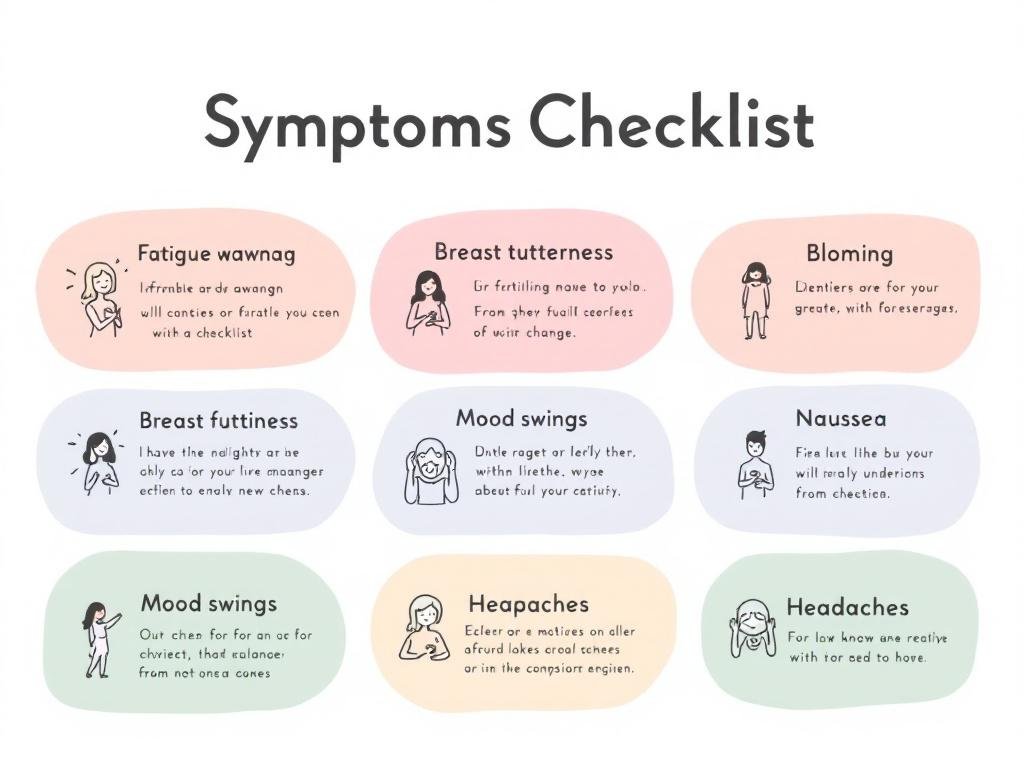
The symptoms you might notice in week one are, I'm afraid, essentially indistinguishable from premenstrual syndrome (PMS). Here's the rundown.
- Fatigue – The early follicular phase can feel a bit draining. Tip: Go to bed earlier. Short naps (20–30 minutes) can be restorative without ruining your nighttime sleep architecture.
- Breast tenderness (Mastalgia) – Sore, heavy, or tingly breasts. Tip: A soft cotton bra without underwires can make a surprising difference. Some women find sleeping in a light sports bra reduces morning soreness.
- Bloating and cramping – Hormones at work on the gut and uterus. Tip: Drink plenty of water (aim for eight to ten glasses a day) and eat small, frequent meals. Cut back on fizzy drinks and salty foods.
- Mood swings – Feeling tearful or snappy for no obvious reason. Tip: A gentle walk or some simple box breathing (inhale for four counts, hold for four, exhale for six) can help stabilise the autonomic nervous system. And I'd advise against making any major life decisions on days when you feel particularly reactive.
- Nausea – Though typically a bit later, some women are sensitive to hormone shifts. Tip: Eat a plain cracker before you even get out of bed. Ginger tea or ginger chews are natural antiemetics. If you're already on prenatal vitamins, try taking them with food or switching to a gummy version—but do check with your GP first.
- Headaches – Oestrogen withdrawal before and during menses can trigger vascular headaches. Tip: A cool compress on the forehead or nape of the neck. Paracetamol (acetaminophen) is generally considered safe in early pregnancy, but if there's any chance you might be pregnant, it's always prudent to check with a healthcare provider before taking anything.
Checklist for the Family
For partners and support people: This week, take over a household chore without being asked. If your partner is tired or overwhelmed, a simple "I've got dinner tonight" or "I'll handle the laundry" can be a monumental relief. Small acts of care speak volumes.
Other helpful bits: Go with your partner to pick up prenatal vitamins. Folate is the priority at this stage. Listen without trying to fix everything. Sometimes "That sounds really difficult" is far more useful than unsolicited advice.
Track the cycle together on a shared calendar. It normalises the process and shares the mental load. Plan a low stress weekend activity—a walk in the park, a film night at home, cooking a favourite meal.
If you're the one trying to conceive: Tell your partner exactly what you need. Vague hints lead to frustration. Clear, kind communication builds a sense of teamwork rather than a solo endeavour.
When to Call Your Doctor
Week one is usually entirely uneventful, but do contact your GP or midwife if you experience: Severe pelvic pain – especially if it's localised to one side. Could be an ovarian cyst, torsion, or (rarely) an ectopic pregnancy even before a positive test.
Very heavy bleeding – soaking through a pad every hour for two hours or more. That's not a normal period.
Large clots – bigger than a grape – or bleeding lasting more than seven days.
Severe dizziness or syncope (fainting) – particularly with abdominal pain or a rapid heartbeat.
Fever over 38°C (100.4°F) during your period – possible pelvic inflammatory disease or other infection.
When to call rather than wait: If you're simply unsure whether your bleeding is within normal limits, trust your instinct.
We're quite used to questions about early pregnancy and menstrual cycles. A quick phone call can provide reassurance or, on rare occasions, prompt life saving care. Many surgeries have nurse lines or secure messaging portals for non urgent queries.
Looking ahead to week 5
Next week—week two—your body will be gearing up for ovulation. An oocyte will be released from the dominant follicle, making conception possible. We'll look at how to recognise ovulation (cervical mucus changes, mittelschmerz pain, and those handy ovulation predictor kits) and what happens during your fertile window. You'll also learn why timing intercourse in the days before ovulation maximises your chances of success. Join me next week to continue the journey.
Nutrition & Lifestyle Focus for Week One
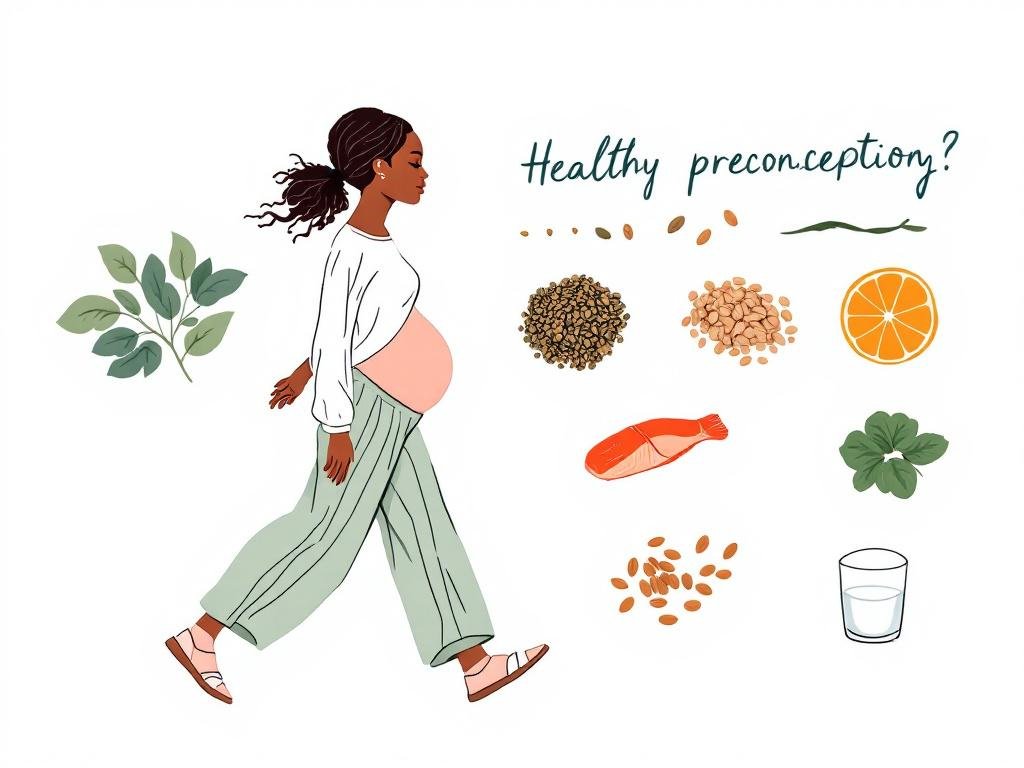
Even before conception, what you eat matters more than you might think. The oocyte that will be released this cycle began maturing from the primordial follicle pool about three months ago. So your diet right now directly affects oocyte quality and the endometrial environment.
Key nutrients this week: Folate (Folic Acid): 400–800 mcg daily. This is crucial for preventing neural tube defects that develop very early—before most women know they're pregnant. Good sources: spinach, kale, lentils, asparagus, fortified cereals. If you're not already taking a prenatal vitamin, I'd urge you to start now.
Iron: Menstrual bleeding depletes iron stores. Iron deficiency is linked to ovulatory disorders. Eat red meat, poultry, beans, pumpkin seeds. Pair with vitamin C (citrus, bell peppers) to boost absorption.
Omega 3s (DHA): Supports oocyte membrane health and reduces inflammation. Sources: salmon, sardines, walnuts, flaxseed.
Lifestyle tweaks: Caffeine: Limit to under 200 mg per day (about one 12 oz coffee). Higher intake is associated with longer time to pregnancy in some studies.
Alcohol: Avoid entirely if you're actively trying. It can disrupt the delicate hormonal feedback loops and early embryonic development.
BMI: Both underweight and overweight can affect ovulatory function. Even modest changes (5–7% body weight) can restore regular cycles.
Myth vs. Fact: Common Week One Misconceptions
- Myth: "I can take a home pregnancy test during week one and get an accurate result."
Fact: I'm afraid not. Home tests detect human chorionic gonadotropin (hCG), a hormone produced only after a fertilised egg implants. Implantation happens 6–12 days after ovulation—that's week three or four. Testing in week one will always be negative. You'll just waste money and feel disappointed. - Myth: "Week one symptoms like cramping or spotting mean I'm definitely pregnant."
Fact: The symptoms of early pregnancy and PMS are caused by the same hormones—progesterone and oestrogen. You cannot differentiate them clinically without a positive test. Many non pregnant women have identical sensations. Wait until after a missed period to test. - Myth: "If I have irregular cycles, pregnancy dating from LMP won't work for me."
Fact: Naegele's Rule assumes a 28 day cycle, which is a bit of a fiction for many women. However, providers adjust due dates using first trimester ultrasound. A scan between 8 and 12 weeks is highly accurate for dating, even with irregular cycles. Don't worry—your care will be individualised.